Area that appeared in Rambo: First Blood, Part II is a nature showcase
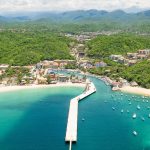
Those visiting an idyllic area near Acapulco might be startled to learn that it served as much of the setting for a violent Sylvester Stallone movie. Ocean-fronting Barra de Coyuca is now the home of the Barra de Coyuca Ecotourism Route, serving as a showcase for the region’s natural side and enabling many locals to earn a living catering to visitors eager to see a side to the region that provides a showcase for some of Mother Nature’s Mexican handiwork.
Tourism authorities say the route provides “experiences for those seeking to connect with nature and enjoying the true flavor of the Mexican Pacific.”
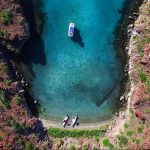
The area’s Coyuca Lagoon is home to the likes of palm trees and mangroves, and boat tours are available for those wishing to explore it.
“It is an ideal place for observing exotic birds and enjoying the scenery,” tourism authorities state, with visitors able to go on boat tours into an undeveloped area.
But the area was also used in the filming of Rambo: FIrst Blood, Part II, a story of Stallone character John Rambo returning to Vietnam, continually clashing with Vietnamese troops in what became the third-highest grossing movie of 1985. Barra de Coyuca was chosen because it resembles much of the terrain in Vietnam.
Among those who have visited Barra de Coyuca was Toronto travel personality Steve Gillick, who toured the area with a group while in Acapulco for the Mexican tourism show Tianguis in May.
Gillick – a birdwatching enthusiast – said Barra de Coyuca offers a soothing retreat, far from how it was portrayed in Rambo: First Blood, Part II.
“For those seeking an off-the-beaten-track adventure in the Acapulco area, Barra de Coyuca, about 40 minutes north of the city, offers a nature-oriented, relaxed, and tranquil experience,” he said. “Barra refers to a sandbar which in this case, separates the calm, freshwater Coyuca Lagoon from the rough waters of the Pacific Ocean. Coyuca is a term for a traditional dugout canoe used for fishing. When visitors arrive at Barra de Coyuca and board one of the covered motorboats to explore the lagoon, it takes only a few minutes to pass by fishermen and women, casting and hauling nets. After crossing open water and channels, the boat enters the mangrove area where the warm water is ankle-deep. Passengers hop out of the boat and enjoy nature! Some sit in the chairs set up under reed palapas, to relax, picnic and party. Some indulge in self- applied mud facials, and some marvel at the birdlife that can include Black-bellied Whistling Ducks, Brown Pelicans, Black-necked Stilts, Blue-winged Teals, Double- crested Cormorants, Great Egrets, and White-faced Ibises.”
Gillick’s group had lunch at a beach-fronting, open-air restaurant, after which they released baby sea turtles to begin their first journey into the ocean.
“We each held a hatchling, gave it a name, and set it on the sand, with positive thoughts of helping wildlife and personally connecting with nature,” Gillick said. “I named my turtle Michan, a Japanese nickname of endearment, hoping the little one would enjoy a long life — and perhaps even a long swim across the Pacific. As the turtles scampered toward the water, the sky filled with gulls and frigatebirds looking for an easy meal but happily, all of our turtles reached the water.”
Gillick also had kind words for the restaurant, pronouncing its food “delicious.”