Island proud of its conservation stances
Dominica has put out the welcome mat for whale-watching enthusiasts and withdrawn it for any Captain Ahab sorts still out there.
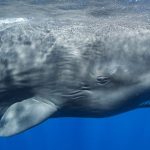
The destination drew international attention when it became the first country to create a sanctuary specifically to safeguard sperm whales, reinforcing its green credentials.
Whales were once ruthlessly hunted around the globe, leading to plummeting numbers of the huge cetaceans, and 19th century whaling was the focus of the Herman Melville novel Moby Dick, which featured the fanatical whaler Ahab.
Marva Williams, chief executive officer of the Discover Dominica Authority, said her destination is fully committed to sperm whale protection.
“Dominica is known as the Nature Island of the Caribbean, and protecting our natural assets is central to our national development strategy. The creation of the world’s first Sperm Whale Reserve reflects our commitment to sustainable tourism and environmental stewardship,” she said. “Our waters are home to a unique resident population of sperm whales, and protecting their habitat ensures that these majestic animals can thrive for generations. Preserving the marine environment is not only important for biodiversity but also for climate resilience, research, and sustainable tourism. By safeguarding the ecosystem that supports these whales, Dominica is demonstrating that economic growth and environmental protection can work hand in hand.”
Dominica is one of the few places in the world where sperm whales can be seen year-round. Researchers estimate that around 200 resident sperm whales live in Dominica’s waters, forming part of a wider Eastern Caribbean population of fewer than 500 individuals.
Because of the deep underwater canyons just offshore, the whales have access to abundant food sources such as squid, which allows them to remain in the area year-round. Williams labelled whale-watching “one of Dominica’s most unique” tourism experiences.
“Most encounters take place through small boat excursions with licensed operators who follow strict guidelines designed to protect the whales,” she reported.. “Visitors typically observe the whales from boats, and in some cases special permits allow limited in-water experiences such as snorkelling or free-diving encounters with trained guides.
“These experiences are carefully regulated to ensure that interactions remain respectful and do not disturb the whales.”
Williams said the sanctuary strengthens Dominica’s position as a global leader in sustainable and nature-based tourism.
“It adds a powerful new dimension to the island’s tourism product by offering visitors a rare opportunity to experience a marine environment where conservation, research, and tourism coexist,” she continued. “The reserve is expected to attract eco-tourists, scientists, filmmakers, and marine enthusiasts from around the world, while also ensuring the long-term protection of the whales and their habitat.
“In short, it supports our broader strategy of high-value, low-impact tourism.”
WIlliams said her destination is making further inroads in the Canadian market, with Dominica positioning itself as a great outdoors retreat, thanks to its mountainous terrain and thick forests.
“Canada continues to be an important source market for Dominica,” she reported. “We are seeing growing interest from Canadian travellers, particularly those seeking nature, adventure, wellness, and authentic cultural experiences. Canadian visitors are especially drawn to Dominica’s hiking trails, waterfalls, diving, whale watching, and eco-luxury resorts. As awareness of the island grows, we expect Canada to remain a strong and expanding market.”