Loreto is Mexico’s next great eco-tourism hotspot
Don’t call any residents of the Baja California community of Loreto Ishmael.
The man who oversees tourism promotions for the state of Baja California Sur – home to Loreto – says the community is one of a number in Baja that have built a wintertime whale-watching industry, and his homeland has long befriended cetaceans, and would have nothing to do with the fanatical Captain Ahab or the other whalers who pursued Moby Dick.
“Mexico has been a whale sanctuary. That’s why the whales came back. They know they’re in a safe place,” says Jesus Ordonez, who adds that whaling has never been legal in his homeland.
Those staying in Loreto during the mid-December to mid-April period can go on excursions in a nearby area of the Gulf of California aimed at spotting blue whales. The tours are carefully regulated by Mexican authorities and whale-watching boats must maintain a distance from the huge mammals, he reports.
That same time of year enables Loreto-based visitors to visit Magdalena Bay on Baja’s Pacific coast, going on whale-watching excursions there that provide sightings of gray whales. Loreto’s proximity to Magdalena Bay means those staying in Loreto can go on the excursions and then be back in Loreto the same day.
Loreto, home to around 8,000 people, is building a following in this country, with WestJet offering twice-weekly service during winter to the destination. Calgary flights start Oct. 30 and initially, the service is once a week on Fridays before expanding to twice weekly as of mid-December. Those Monday and Friday flights run until late April.
Ordonez, in Toronto after attending September’s Adventure Travel Summit in Quebec City, says Loreto differs from many of the other Mexican communities Canadians visit, saying it’s a quiet destination that doesn’t have any raucous bars, and hotels generally have 10 to 15 rooms. Their smallish sizes mean guests may become acquainted with the owners, who are happy to meet their guests, he adds.
Loreto was founded in 1697 by Jesuits, who built a mission there, with those long-standing structures found in different communities in Baja California. Loreto actually once served as the capital of all California, which once encompassed Baja California and the American state now called California. “That’s where everything started,” Ordonez says.
Those planning on spending their entire holiday in Loreto — which has Pueblo Magico status, awarded to communities by Mexican officials who believe those towns will be of particular interest to tourists — will find it a very walkable place, he adds.
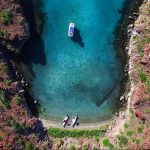
The area’s desert nature means visitors can expect sunshine and Ordonez says they can also find plenty of uncrowded area beaches that border turquoise waters.
Loreto Bay National Park is the second-largest marine park in Mexico and is home to 5 islands that offer great birdwatching, with pelicans, sea gulls and blue-footed boobies among birds that can be spotted there. Many believe the latter can only be seen in the Galapagos, Ordonez notes.
Sea lions can also be spotted in the park, which has UNESCO World Heritage Site status. Ordonez, himself a diver, says the Loreto area is great for diving, having around 200 dive sites.
Outdoors enthusiasts can also go kayaking, hiking and star-gazing in an area free of light pollution and visit caves that have ancient drawings.
Ordonez notes cruise company UnCruise Adventures has an itinerary that retraces famed author John Steinbeck’s time in the region
January will see Loreto host Loreto Live Well which will focus on healthy lifestyles, yoga and meditation.
Among area towns of interest is Santa Rosalia, which has French influences, including a church built by Gustave Eiffel, better known for building the Eiffel Tower.
Meanwhile, Ordonez notes that Baja California has a travel agency academy that provides a host of benefits for those who participate. It can be found at www.travelagentacademy.com/baja-california-specialist-program.