MITCHELL MCCLUNG
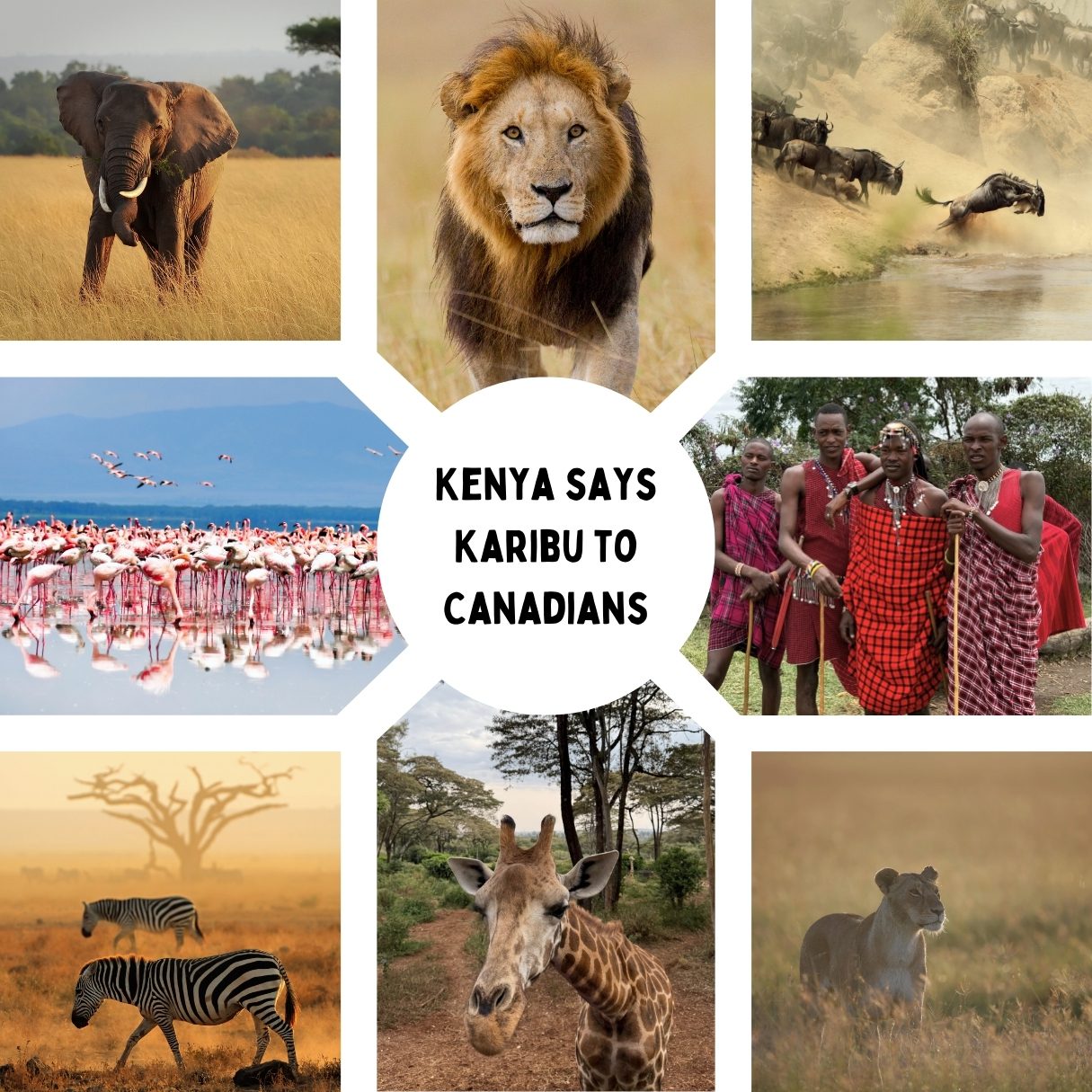
As the global safari capital, Kenya offers unparalleled wildlife experiences, boasting 23 national parks, 28 reserves, and four sanctuaries. Iconic events like the Great Wildebeest Migration and the chance to spot the Samburu Special Five solidify Kenya’s reputation as the gold standard for wildlife encounters.
In addition to the best in class safari experiences, Irene Katumo, Deputy Director of the Kenya Tourist Board, believes that the diversification of the country’s tourism product will make Kenya an even more attractive destination moving forward.
“Magical Kenya is the place to be, we offer a year round experience for all,” said Katumo. “From an unforgettable adventure, authentic human connection, and breathtaking natural beauty. We offer you not just a holiday, but an experience that will touch your soul. The warmth of the Kenyan people awaits you. Karibu Kenya!”
Katumo highlighted other experiences that Kenya excels at that will make it an even more compelling experience. Diani Beach was recently voted Africa’s best beach and Watamu and Malindi offer world class snorkeling opportunities. UNESCO heritage site Lamu is another coastal gem that is relatively unknown to most Canadian vacationers but offers incredible cultural and architectural immersions.
Kenya offers excellent opportunities for the MICE market, combining conference and business meetings with safari or beach experiences. For those seeking adventure tourism vacations, trekking on Mount Kenya, rock climbing in Hell’s Gate or white-water rafting are just some of the possibilities visitors can look forward to.
Kenya’s juggernaut of a tourism product is matched by a forward-thinking vision that is groundbreaking in African tourism and unmatched among its competitive set. Katumo believes that Kenya is combining a hybrid approach to tourism that encompasses very high levels of satisfaction among visitors while ensuring that the tourism growth is sustainable at the local and national level and that conservation of its cultural and environmental heritage is always paramount.
This includes habitat restoration with large scale reforestation, rehabilitation of the country’s wetlands and protection of the migratory routes of their wildlife, which is literally the life blood of the nation’s tourism industry. To reduce the carbon footprint of the country’s aspirations of becoming the epicenter of global wildlife tourism, the development of lodges and other tourism facilities that harness solar powered energy and other carbon neutral technologies are inherent to the long term national tourism ambitions. The creation of green tourism standards for tourism operators and hoteliers combined with education programs for both the communities that benefit from the country’s visitors and educate the visitors will ensure that economic growth from tourism is sustainable. Data collected from visitor feedback and local communities will measure the impact of the various products and provide guidelines for future tourism strategies.
While protecting Kenya’s biodiversity ensures that the rich flora and fauna of the country will have a safeguarded future, it recognizes that harnessing technology will be part and parcel of the tourism industry. Monitoring visitor movement through the deployment of camera systems will ensure that wildlife have safe passages and that visitors will all enjoy an excellent experience that avoids severe crowding.
Katumo lays out Kenya’s ambitions for 2030, and they have set the standard high. By 2030, they want tourism to generate one trillion Kenya Shillings (10.67b Canadian Dollars) in revenue as a global top tier diversified, sustainable and technologically advanced destination. As part of the 2030 plan, youth empowerment is inherent to the country’s tourism success, and the country plans to create excellent job opportunities for their young, empowering them as our digital storytellers, tour innovators, and conservation champions through the Youth in Tourism and Conservation Initiative. All of this will be accomplished by recognizing the importance of preserving the country’s cultural heritage and the protection of their world class biodiversity.
Katumo believes that Canadians are going to be an important part of Kenya’s growth and that there is no better time for Canadian travellers to enjoy Africa’s greatest travel treasures. Katumo and the Kenyan people say “Karibu” to Canadians, the Swahili word for “Welcome,” and cannot wait to welcome Canadians in the very near future.