ANN RUPPENSTEIN
There’s something captivating about Hawaiʻi. You feel it on arrival when greeted with a flower lei, when a chef speaks passionately about the dishes they’ve prepared using the freshest catch and local produce or while taking part in a traditional Hawaiian chant (an oli) before gliding across the water for a guided paddle (hoe waʻa) on an outrigger canoe along the coast.
“What makes Hawaiʻi special begins with our people and our culture. The spirit of aloha is more than a greeting; it reflects a way of living that emphasizes care, respect and connection. Our natural environment is extraordinary, ranging from volcanic landscapes and lush rainforests to pristine beaches and vibrant marine life,” Caroline Anderson, Interim president and CEO of Hawai‘i Tourism Authority tells Travel Courier. “What truly sets Hawaiʻi apart is the relationship between the land and the culture. In Hawaiian tradition, the land, ʻāina, is something we care for and honour. Each island has its own personality and story, and together they create a destination that feels both diverse and deeply connected.”
Responsible travel is not a trend in Hawaiʻi; it’s an expectation. Visitors are encouraged to honour the concept of mālama ʻāina — to care for the land.
“Since Hawaiʻi is a place where culture, nature and community are so closely intertwined, it naturally lends itself to meaningful travel,” says Anderson. “Those who embrace Hawaiʻi with openness and respect often leave our islands with a deeper understanding of the islands and of themselves.”
According to a recent Booking.com report, more than half of travellers (53 per cent) are now conscious of travel’s impact on communities as well as the environment, and two thirds (69 per cent) want to leave places better than when they arrived.
“Responsible travel is deeply intertwined with Hawaiʻi’s values and culture, and visitors are increasingly mindful of the role they play when travelling to the islands,” adds Laurie Garzon, director of sales and marketing for Wailea Beach Resort – Marriott, Maui.
In practice, that means following guidelines like staying on marked trails to protect fragile ecosystems, never touching or feeding marine life such as sea turtles, and using reef-safe sunscreen free of oxybenzone and octinoxate to help preserve coral reefs.
As another step, Sue Kanoho, executive director of the Kaua’i Visitors Bureau, suggests that travel advisors talk to clients ahead of their visit to help highlight the importance of being mindful and responsible travellers.
“What’s really changed our island is that people are going to places they probably shouldn’t go or are uninformed or not prepared,” she notes. “We are really aggressive about educating people before they get here, and every island has this issue. Educating people before they get here makes a difference. You can have an amazing time on this island if you know what you are doing and you do a little bit of homework.”
Last year alone, she says over 25 helicopter rescues took place along the picturesque, but challenging Kalalau Trail, many of them the result of dehydration and visitors not being prepared for the heat.
In Maui, along The Road to Hana, a scenic route past rainforests and waterfalls and black sand beaches, visitors are encouraged to book with a tour group to reduce traffic congestion. There are also “Ambassadors of Aloha” to assist visitors with navigating the area responsibly.
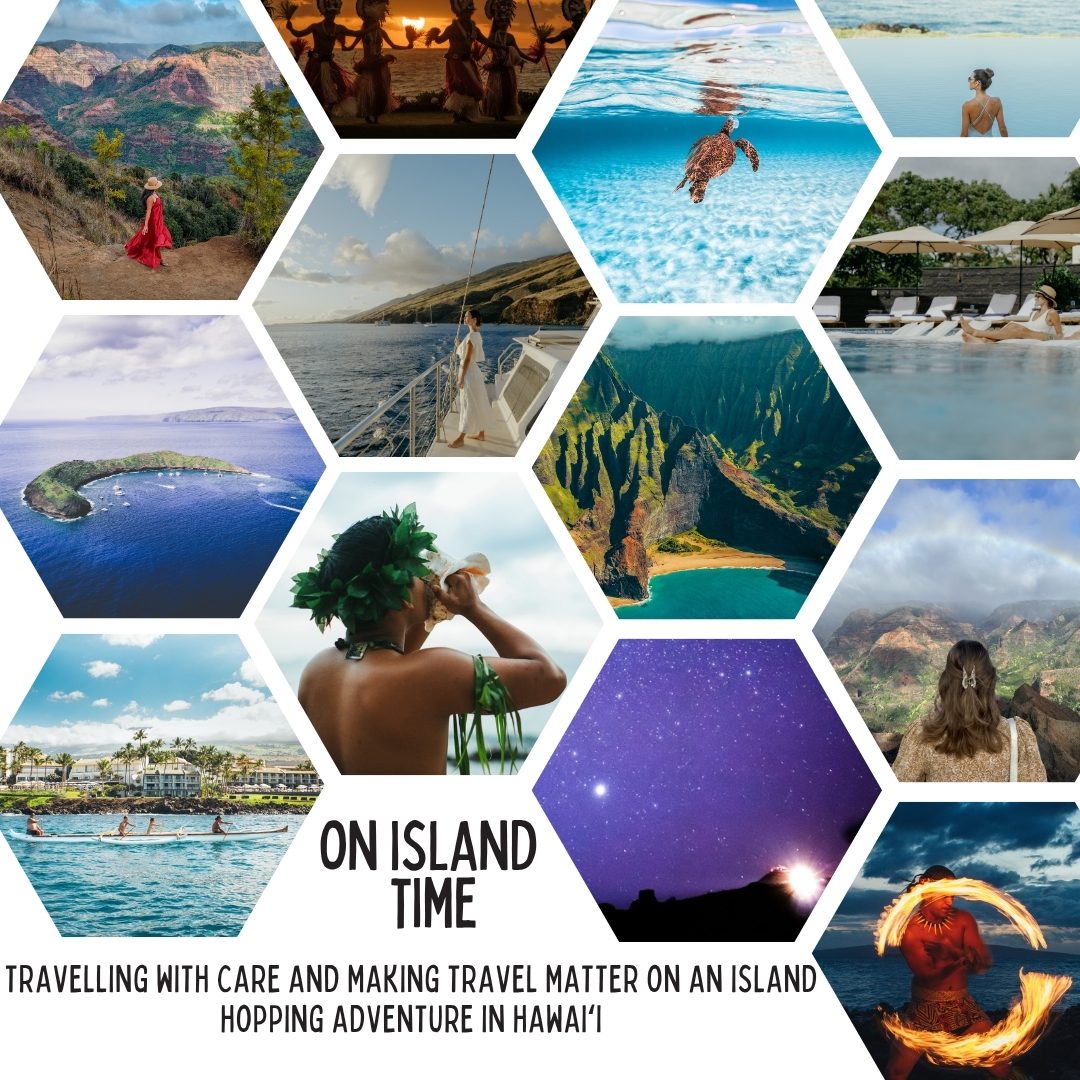
For travellers considering a trip to Hawaiʻi, the toughest choice can be narrowing down which island to visit. Combining two islands into one adventure is a great way for clients to experience the charms and wonders of multiple islands. On a recent visit to Kauaʻi and Maui, we learned that while each island has its own personality and character, both islands offer unforgettable natural beauty, deep cultural traditions and authentic local experiences.
“People who come here just love it. We have a heavy repeat business here in Kaua’i, a lot of people love it here and keep coming back,” notes Kanoho. “Kaua’i is known for its outdoor nature. But we always tell people, it’s a place you get into the way you want to get into — depending on what your desires are. I love sunsets so I love to go to Poipu and watch the turtles haul out.”
Beyond the resorts, visitors can participate in cultural workshops, support community-based tourism initiatives, volunteer in mālama activities, and engage directly with local artisans, farmers and cultural practitioners.
“Today’s travellers want more than sightseeing — they want connection, learning and purpose. Hawaiʻi is uniquely positioned to offer that,” Anderson says. “These experiences are not artificial and are instead rooted in real traditions and living culture.”
From luaus and cultural programming to incorporating dishes like poke on the menus, hotels like Wailea Beach Resort also embody Hawaiian culture and tradition into its operations, offering a real sense of place for guests.
One of the thoughtful touches is placing a different Hawaiian word of the day against guests’ pillows. A memorable one was “Hoʻomau: to continue, persist, renew, perpetuate and persevere,” because it speaks to the way Hawaiʻi protects its land, culture and identity, and to the responsibility of carrying that stewardship forward for generations.
“For Canadians who are being more intentional about where they travel, Hawaiʻi stands out as a destination rooted in sustainability and harmony with the natural environment,” says Garzon. “Within a single destination, visitors can experience extraordinary natural landscapes and traditions that are still very much alive.”
Make meaningful memories on the Valley Isle
Maui stands out as an idyllic destination because it offers a mix of unrivalled scenery, from the otherworldly Haleakalā National Park above the clouds to golden and black sand beaches on shore, along with an abundance of authentic experiences and resorts that truly have a sense of place. Come for the beauty of White Lotus, where season 1 was filmed, but trade in the drama for relaxation and romance.
STAY:
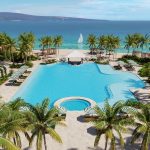
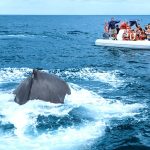
Set between two golden-sand beaches, the 22-acre oceanfront Wailea Beach Resort – Marriott, Maui, makes a picturesque home base for exploring the Valley Isle. Sign up for a guided, traditional Hawaiian paddling experience on an Outrigger canoe to spot turtles and hear the history of wayfinding and celestial navigation in the area. At the adults-only Olakino infinity-edge pool, wellness programming rotates daily, including mini massages and sound healing sessions. Don’t miss the onsite Te Au Moana Luau, where storytelling, hula and fire dancing unfold against the sea. Visit between late November and April to spot migrating humpback whales offshore.
EAT:
Off-resort, head to Koast, a restaurant that aims to honour Hawaʻi’s natural abundance by working in lockstep with local farmers and fishermen. “Our goal is to be island sustainable,” says Top Chef Masters winner and James Beard Award–nominated chef Chris Cosentino, describing a dragonfruit aguachile topped with just-caught tuna from a fisherman named Chimo.
“Everything is based on what we have here. We wait to see what’s coming through the back door. We evolve quickly with what’s available,” he says.
Each course is like a work of art, but dessert is a showstopper: a whole, caramelized Maui Gold pineapple served with layers of coconut ice cream, lilikoi curd, and toasted Italian meringue.
On resort, the sesame- and nori-crusted ahi tuna at Humble Market Kitchin by Roy Yamaguchi is a standout. And for a quintessential local bite, try teriyaki spam musubi from a neighbourhood convenience store or food truck – the canned meat staple took root in Hawaiʻi during World War II and remains beloved.
DO:
Watch the sun dip below a sea of clouds at Haleakalā National Park, then stay for stargazing. The summit rises more than 10,000 feet above sea level and is among the best stargazing spots in the Pacific. Snorkel with a luxury outfitter such as Alii Nui Sailing Charters to Molokini Crater for vibrant reef life and exceptional visibility. The crescent-shaped crater is home to more than 250 species of marine life and famously clear water.
BRING BACK:
Bring home a hand-picked Maui Gold pineapple, prized for its sweetness and low acidity. The Maui Pineapple Farm Tour on the island’s last working pineapple farm includes a complimentary packaged pineapple with each visit. The tour offers a behind-the-scenes look at how pineapples grow on small, shrub plants. The process typically takes 18 to 24 months, from planting to harvest.
For a pick-me-up following the tour, head across the street to The Kettle by Malia Coffee Co., which is based out of an airstream. The cafe offers savoury items and treats, as well as beverages like iced and hot flavoured lattes, and picnic tables to enjoy your caffeine fix.
Nature is calling on the Garden Isle
Home to arguably the most stunning coastline in the world — the Nāpali Coast — and a canyon nicknamed the ‘Grand Canyon of the Pacific,’ the beauty of Kauaʻi has long enchanted visitors. With its lush scenery and dramatic craggy cliffs and landscapes, it’s easy to see why the destination is known as The Garden Isle. For natural wonders straight out of Jurassic Park (but sub the dinosaurs for whales and dolphins), this destination has postcard-worthy views at every turn.
DO:
Head out on a catamaran cruise with Holo Holo Charters for picture-perfect views — and photos — of the breathtaking Nāpali Coast, formed from lava flows over five million years ago. As the dramatic landscape changes from razor-thin ridges to towering green cliffs with waterfalls, the vessel sails past secluded beaches and into hidden coves, as guests enjoy cocktails or craft beverages. Holo Holo is in the process of building a custom 75-foot carbon fibre catamaran designed for smoother sailing conditions, set to debut this summer. For another vantage point, a doors-open helicopter tour of the coast is a memorable experience.
Back on land, head to Waimea Canyon to take in the colours and picturesque views of the geological site known as ‘the Grand Canyon of the Pacific.’ The site spans 22.5 km long and 1.6 km wide and more than 3,600 feet deep.
Another memorable way to spend the afternoon is to embark on an open-air rum safari with Kauai Safari across the 105 acre Kilohana Plantation complete with a boardwalk stroll to a bar set up in the tropical forest. Along with signature mai tai’s and other concoctions, guests get to see some of the animals on the farm, including piglets, and learn about the fruits and herbs grown on the plantation.
To get up close to more of Kauaʻi’s natural side, head to Allerton Garden, where gigantic fig trees are some of the many sights to behold.
Depending on the tour guide, they also make the perfect backdrop for photos staged with a toy T-Rex. Be sure to find the secluded beach nearby, ideal for unwinding.
BRING BACK:
Bring home single-origin dark chocolate from Lydgate Farms. For something a little bit sweeter, the milk chocolate bar is delicious, as are the chocolate covered macadamia nuts. The 46-acre farm also offers guided agricultural tours like the Chocolate Farm Tour where visitors learn about the bean-to-bar process of making chocolate, complete with samples.
STAY:
Grand Hyatt Kauai Resort & Spa has something for the whole family, from an expansive, multi-level pool complex, which features a 150-foot lava-rock-lined waterslide and a saltwater lagoon overlooking the beach, to wellness experiences at the 45,000-square-foot Anara Spa. The 605-room resort is a great base to spot turtles at Poipu Beach. Book Club Access rooms for complimentary continental breakfast, evening cocktails, hot/cold canapés, and all-day refreshments in the lounge.
EAT & DRINK:
On resort, head to Stevenson’s Library for cocktails and sushi, and Tidepools for fresh local fish like soy-ginger glazed ahi and tuna tartare or premium steaks in a romantic, thatched-roof setting.
Off resort, The Plantation House by Gaylords offers island-influenced dishes by chef Johnny Saguid, located in an original working plantation homestead. Ahi poke is a fan-favourite.
Finally, embark on one of the food tours in the area to sample a variety of local flavours and delights. Poke is always a good idea.