Mitchell McClung
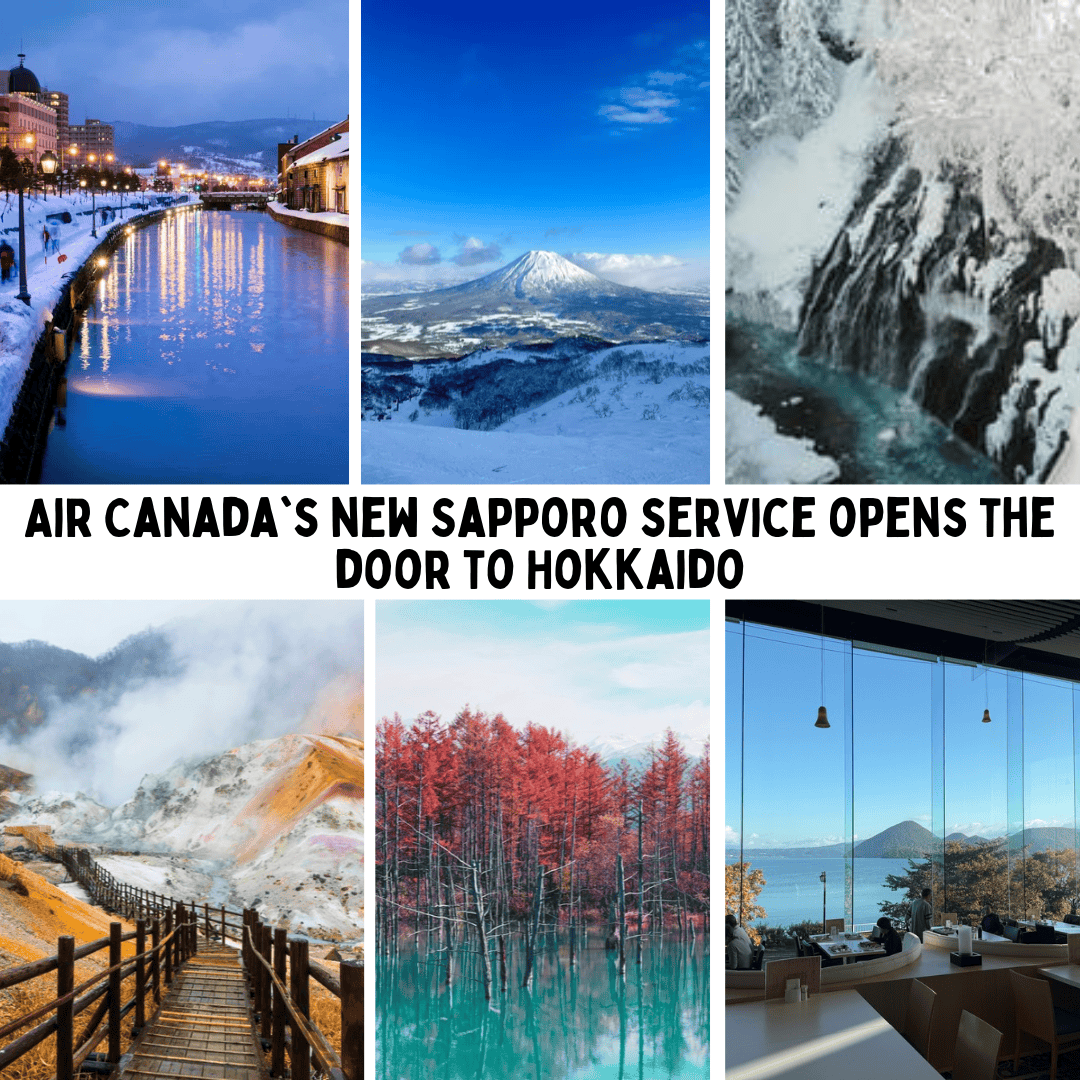
From fresh seafood and volcanic landscapes to luxury resorts and world-class skiing, a recent Canadian travel industry FAM trip highlights why Japan's northern island deserves a closer look.
Japan continues to be a popular choice for Canadian travellers, and with Air Canada preparing to launch its new non-stop service between Vancouver and Sapporo this December, there is good reason to take a closer look at Hokkaido, a part of Japan that offers a very different experience from the more familiar destinations of Tokyo, Kyoto and Osaka.
Hokkaido, Japan’s northernmost main island, is perhaps best known for its legendary powder snow and world-class skiing. But as a recent familiarization trip hosted by Air Canada and the Hokkaido Tourism Organization demonstrated, there is a lot more to this destination than its winter reputation.
Baxter Media joined a small group of Canadian travel industry representatives on the October 4 to 8 trip, visiting Hakodate, Lake Toya, Niseko and Sapporo. The group included representatives from TravelBrands, Skican, Voyages Gendron, Voyages Traditours and Tours Altitude, providing an opportunity to experience the region firsthand and better understand what it has to offer Canadian travellers.
The timing was particularly relevant. Beginning in December 2026, Air Canada will introduce a new non-stop service between Vancouver and Sapporo, making Hokkaido easier to reach and opening up new opportunities for Canadian travel advisors and tour operators.
While skiing will undoubtedly be a major draw, the trip made it clear that Hokkaido has plenty to offer travellers interested in food, culture, nature and luxury experiences.
Our journey began in Hakodate, a coastal city in southern Hokkaido that offers a welcome change of pace from Japan’s larger urban centres.
With its waterfront setting, historic attractions and excellent seafood, Hakodate has plenty of character. It is also a great place to begin exploring Hokkaido, particularly for travellers who have already experienced some of Japan’s more traditional tourist destinations.
One of the highlights was the Hakodate Morning Market, where seafood is very much the main attraction. From fresh crab and scallops to sea urchin and a seemingly endless selection of locally caught fish, it doesn’t take long to understand why Hokkaido has earned such a strong reputation for its food.
The visit also included Goryokaku Tower, which overlooks the city’s impressive star-shaped historic fort, and the Mount Hakodate Ropeway, offering spectacular views of the city and surrounding bays.
For travel advisors, Hakodate offers a good mix of sightseeing, culture and culinary experiences. It is also a destination that can be comfortably explored without the crowds and pace of Japan’s larger cities.
From Hakodate, we travelled by train to Lake Toya, a scenic region surrounded by mountains and volcanic landscapes.
A stop at The Windsor Hotel TOYA included an excellent French lunch overlooking the lake, showcasing how the region has combined its natural surroundings with high-end hospitality.
The group also visited Mount Usu, an active volcano reached by ropeway, before checking into The Lake View TOYA Nonokaze Resort. The lakeside setting, combined with an evening fireworks display, made for a memorable stop.
Lake Toya is an appealing option for travellers looking to slow things down and enjoy some of Japan’s natural beauty. It also fits well into itineraries for couples, luxury travellers and those interested in wellness experiences.
Niseko: More Than Legendary Powder
For many Canadians, Niseko will be the most recognizable name in Hokkaido.
The resort region has developed an international reputation for its incredible powder snow, attracting skiers and snowboarders from around the world. But visiting in October gave us a chance to see what the area has to offer outside the winter season.
Without the snow and busy ski crowds, Niseko takes on a completely different feel. The landscape is filled with rolling green hills, hiking trails, farms and mountain scenery, with the impressive Mount Yotei providing a backdrop throughout the region.
Our visit included a walk through the Shinsen-numa wetlands, a stop at Niseko Distillery to learn about Japanese whisky and craft gin, and a visit to Takahashi Farm, known for its fresh dairy products and desserts.
It was a good reminder that Niseko is not simply a winter destination.
During the warmer months, the region offers hiking, cycling, food experiences and plenty of opportunities to enjoy the outdoors. For travellers who prefer a quieter experience, it is certainly worth considering.
The area also has an impressive selection of upscale accommodations. During the trip, we toured Higashiyama Niseko Village, a Ritz-Carlton Reserve, and stayed at Hilton Niseko Village, both offering a look at the quality of accommodation available in the region.
With Air Canada’s new service operating during the winter months, Niseko stands to benefit from improved access for Canadian travellers. Being able to fly directly into Hokkaido rather than connecting through Tokyo is a welcome development, particularly for those travelling with ski equipment.
One thing that stood out throughout the trip was the quality and variety of Hokkaido’s food.
From the seafood markets of Hakodate to the dairy farms around Niseko, food plays a major role in the visitor experience. Hokkaido is known throughout Japan for its agricultural products and seafood, and there is no shortage of opportunities to enjoy both.
Sapporo is famous for its miso ramen, while the region’s fresh seafood, local whisky, sake, beer and dairy products provide plenty of reasons to explore the local culinary scene.
Our itinerary also included a visit to Hokkaido Wine Company’s Otaru Wine Gallery, offering a look at the island’s wine production, along with several stops at local restaurants and izakayas.
For Canadian travel advisors, this is another selling point that shouldn’t be overlooked. Hokkaido has plenty of potential for culinary-focused itineraries, whether as part of a larger Japan vacation or as a destination in its own right.
Sapporo Prepares for a New Canadian Connection
Our final stop was Sapporo, Hokkaido’s largest city and the arrival point for Air Canada’s new service.
Sapporo offers a more urban experience, with a lively restaurant scene, shopping, nightlife and plenty to see and do. It is also home to the famous Sapporo Snow Festival, which draws visitors each winter to see its enormous snow and ice sculptures.
The trip wrapped up with a business seminar and matchmaking event, giving the Canadian travel industry representatives an opportunity to meet local suppliers and discuss potential opportunities for new itineraries and products.
This was an important part of the FAM, as the Hokkaido Tourism Organization is looking to expand awareness of the region beyond its established winter market.
While skiing remains a major attraction, there is considerable interest in developing tourism during the green season, which runs from June through October.
Air Canada’s new Vancouver–Sapporo service is scheduled to begin in December 2026 and will operate three times weekly through March 2027 aboard a Boeing 787 Dreamliner.
The airline will offer Signature Class, Premium Economy and Economy cabins, giving travellers several options depending on their preferences and budgets.
According to Air Canada, the new service will save travellers more than two hours each way compared with connecting itineraries. With Vancouver serving as one of the airline’s major international hubs, passengers from across Canada will also be able to connect through YVR.
The route complements Air Canada’s existing year-round services to Tokyo Narita and Haneda, along with its seasonal service to Osaka Kansai.
For the Canadian travel trade, this is more than simply another flight to Japan.
New air service often creates opportunities for destinations that may not have been top of mind for Canadian travellers. It also gives tour operators and travel advisors more flexibility when developing itineraries and recommending new experiences.
Hokkaido is well positioned to take advantage of that opportunity, particularly given the continued popularity of Japan and growing demand for travel experiences that go beyond the traditional tourist circuit.
An Opportunity for Canadian Travel Advisors
One of the biggest takeaways from the trip was just how much variety Hokkaido offers.
In five days, we experienced coastal cities, seafood markets, volcanic landscapes, mountain resorts, wineries and the energy of Sapporo. Each stop offered something different, and together they provided a good picture of what makes the region appealing.
For skiers and snowboarders, the attraction is already well established. Niseko’s reputation for powder snow speaks for itself.
But there is also plenty for travellers interested in food, culture, nature, wellness and upscale accommodations.
The Hokkaido Tourism Organization is particularly interested in growing visitation during the warmer months, when the island’s scenery, outdoor activities and culinary experiences offer a completely different experience from winter.
With Canadian interest in Japan showing little sign of slowing down, Hokkaido is a destination worth keeping on the radar.
Air Canada’s new service will certainly help put the region in front of more Canadian travellers, and while the skiing may be what initially attracts many visitors, there is a lot more waiting to be discovered.
After spending several days exploring the region, it is easy to see why Hokkaido deserves a place on more Canadian travel itineraries, regardless of the season.