IAN STALKER
Belgium is enjoying a lengthy and lively suds celebration and all are invited.
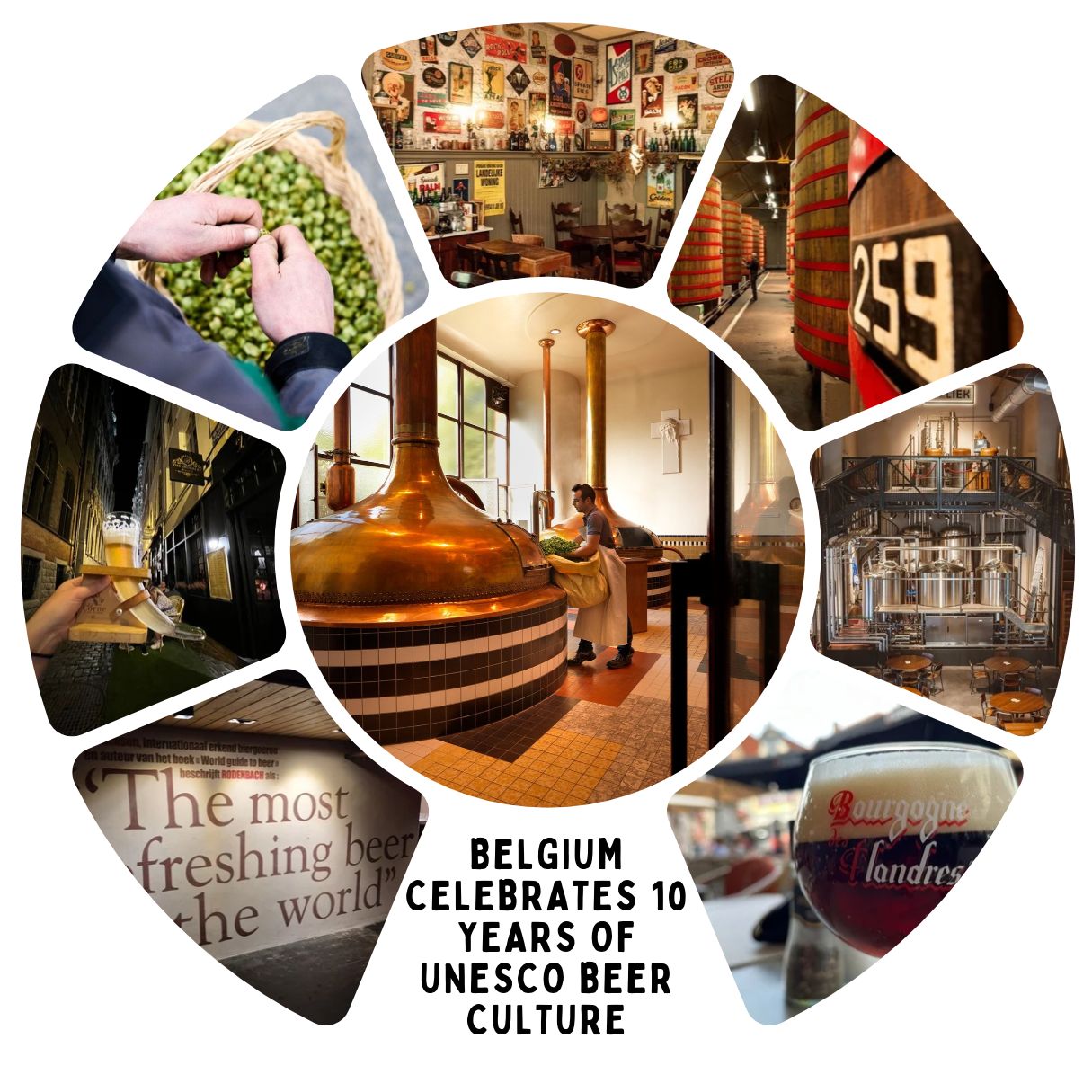
The country is marking the 10th anniversary of its beer culture being recognized by UNESCO as an Intangible Cultural Heritage of Humanity, and Marco Frank, trade and partnerships manager, North America, for VISITFLANDERS, says the tribute is a matter of national pride that revolves around a long and thriving beer scene that locals are happy to share with visitors.
“Belgium is the only country in the world that has had beer recognized by UNESCO as an intangible cultural heritage of humanity,” Frank says. “There is not a single 10-year anniversary recognition celebration, but instead it is woven into the current celebrations and events that are already taking place,” he reports, noting that during September’s Brussels Beer Weekend there were black umbrella images, a reference to the UNESCO recognition. “I think one of the things that becomes particularly clear when you travel through Belgium is that Belgian beer is not one experience, or even one style of beer. It is an entire culture of brewing, tasting, gastronomy, hospitality and tradition. With an extraordinary range of styles and regional specialties, there is quite genuinely something for every traveller, from the curious first-time visitor to the serious beer enthusiast.”
Notably, UNESCO didn’t recognize a particular beer or brewery, but beer culture overall.
“UNESCO recognized beer culture in Belgium as an intangible cultural heritage of humanity because making and appreciating beer is a living tradition embedded in communities throughout the country. Beer plays a role in everyday life and celebrations; brewing knowledge is passed from generation to generation; different regions have developed their own specialties and techniques; beer is part of gastronomy and food pairing; and the culture continues to evolve through craft brewing and innovation.That distinction is important – and it is one of the strongest travel stories Belgium can tell,” he notes. “Visitors aren’t simply consuming a famous Belgian product. They are stepping into a living cultural tradition. And importantly for travellers, beer can be woven into almost any kind of travel itinerary.”
Flanders offers brewery visits that reveal how centuries-old traditions coexist with contemporary brewing, Frank continues, adding travelers can visit working breweries, meet brewers, see traditional brewing techniques firsthand and taste beers at the sites where they are made.
In Leuven, for example, the Stella Artois brewery offers visitors an introduction to one of Belgium’s best-known brewing traditions, while smaller breweries such as Domus and De Coureur showcase the creativity of today’s independent brewers.
In Bruges, De Halve Maan Brewery is connected to its bottling facility by an underground beer pipeline , an unusual piece of modern brewing infrastructure beneath the historic city.
Bruges also offers the Bruges Beer Experience, an interactive museum where visitors can explore the ingredients, brewing process, history and sensory characteristics of Belgian beer, and which Frank labels, “an excellent option for travelers who want to understand Belgian beer without necessarily planning an entire brewery tour.
“Belgium’s greatest beer story may be its sheer diversity,” says Frank, noting tourists can experience the likes of Trappist and abbey beers, wheat beers, saisons, tripels, dubbels, Belgian blondes, pilsners, IPAs, Flemish red-brown ales, fruit beers, lambic and gueuze.
The five Belgian Trappist breweries each represent a distinctive monastic brewing tradition, while southwest Brussels, is home to the Pajottenland and Senne Valley, which produce lambic and gueuze, made through spontaneous fermentation using wild yeasts from the environment. Visitors can explore breweries and gueuze blenders, discovering why “this corner of Belgium is so important to the world’s beer connoisseurs.”
Those who want to combine beer with cycling and the outdoors, can opt for beer routes, which provide what Frank labels “an especially appealing way to experience the landscape, villages, breweries and cafés together.”
Frank also noted that beer and food go hand in hand in his jurisdiction.
“Beer isn’t simply served alongside Belgian food – it is an ingredient, a pairing partner and part of the country’s gastronomic identity. Travelers can encounter beer used in traditional dishes, sauces and stews, as well as carefully designed beer-and-food pairings in contemporary restaurants,” he says. “Belgium’s world-famous chocolate tradition creates an unexpectedly sophisticated pairing opportunity, with chocolatiers and beer experts matching pralines, ganaches and dark chocolate with different beer styles. The combination can reveal how sweetness, bitterness, acidity, roasted notes, fruit and spice interact in both beer and chocolate.
“For visitors, it is another reminder that Belgian beer is as much about taste and discovery as it is about drinking. Belgian beer culture lives in the country’s cafés and bars – from traditional brown cafés to specialist beer establishments with hundreds of bottles and taps. In Bruges, ‘t Brugs Beertje is renowned for its extensive selection, while Brussels offers destinations such as Moeder Lambic, where visitors can explore an impressive range of Belgian and international craft beers.
“These are places where beer becomes part of everyday social life: meeting friends, sharing a table, discovering a new beer and simply enjoying the moment.”
Beer museums and immersive attractions also await visitors, with Brussels, for instance, home to Belgian Beer World, found in the historic Stock Exchange building, and an interactive experience exploring Belgian beer history, brewing styles, brewing families and the culture surrounding the drink. Around 100 Belgian breweries are represented, from small producers to major names.”
Bruges in turn features the Bruges Beer Experience, which provides a more sensory and interactive look at Belgian brewing traditions.
“These experiences help tell the broader story: beer in Flanders isn’t simply something to taste – it is something to understand, explore and experience,” Frank says.
Beer travelers can also plan a trip around Belgium’s calendar of beer festivals and open-brewery events, with one of the best-known being the Belgian Beer Weekend in Brussels, which sees the city’s Grand-Place become a spectacular showcase for Belgian brewing. The 2026 edition brought together more than 50 breweries and more than 500 Belgian beers, from Trappist classics to innovative microbrewery creations.
Toer de Geuze, held every two years in the Pajottenland and Zenne Valley, opens the doors of lambic breweries and gueuze blenders to visitors. The 2026 edition had 14 producers participate, giving travellers an opportunity to see firsthand how these distinctive beers are made and blended.
Other events provide opportunities to focus on particular traditions, including Trappist beers and regional brewing. Belgium’s beer calendar means that for travelers who plan around their interests, a festival can become the centerpiece of an itinerary rather than simply an evening activity.
“A traveller can spend the morning exploring medieval Bruges, visit a brewery in the afternoon and finish the day in a historic beer café,” Frank says. “In Brussels, a museum or brewery visit can be followed by dinner with beer pairings and a chocolate tasting. In the Pajottenland, a cycling route can connect breweries, gueuze producers, cafés and countryside.
“And that is perhaps the most interesting story of Belgian beer today: it is not a niche experience reserved for beer aficionados. It is a gateway into Belgium’s history, gastronomy, cities, countryside, craftsmanship and social culture—with something to offer virtually every traveller.”